Featured

The 20-Second Trick For Why Delaying Your Debt Problems Makes Things Worse
Table of Contents
That maximizes cash in the short-term, and you may have three to four years to conserve towards the settlement quantity. Really damaging to credit history, largely because of missed payments and an adverse "worked out" mark that might remain on your credit rating report for up to seven yearsMay be just choice if other choices (financial obligation consolidation, equilibrium transfer charge card, financial debt mercy) aren't possibleTypically needs a cost to the 3rd celebration, which might counter some or all of the savings from financial obligation settlementMay assist you prevent personal bankruptcy if you have actually missed out on numerous paymentsNot all lenders function with financial obligation settlement companies Financial debt mercy may be right for you if you are experiencing a financial difficulty that makes it nearly impossible to pay for your financial obligation equilibriums.
With a DMP, you make one month-to-month repayment to the credit scores counseling firm. Those funds are after that dispersed to creditors of your unprotected financial debts, such as bank card and installment financings. The firm functions with your financial institutions to decrease rate of interest or waive charges, but some financial institutions may refuse such concessions.
A financial debt consolidation loan combines your eligible financial obligations into one new finance. It can aid you pay for debt if you're able to safeguard a funding price that's less than the average rate of the accounts you're settling. You need to avoid from racking up financial debt on those freshly cleared accounts or your financial debt might grow even higher.

That provides you lots of time to eliminate or considerably lower your balance while making interest-free payments.
The 20-Second Trick For Ways Financial counseling for veterans in Georgia facing rising credit card and personal loan debt Preserves What You've Earned
You might require it if your lender or a debt collection agency ever before attempts to accumulate on the financial obligation in the future. The letter might show you do not owe what the debt collection agency's documents reveal. Yes, in the majority of instances, the internal revenue service considers forgiven financial obligation as taxable revenue. When a loan provider forgives $600 or more, they are required to send you Type 1099-C.
Financial obligation forgiveness or negotiation nearly always harms your debt. Anytime you settle a financial obligation for less than you owe, it might look like "resolved" on your credit report and influence your credit report for 7 years from the day of negotiation. Your credit can likewise drop substantially in the months leading to the forgiveness if you fall back on repayments.
10 Simple Techniques For How to Never Fall Into the Same Mistakes After Financial counseling for veterans in Georgia facing rising credit card and personal loan debt
This circumstance frequently results from underreporting income, not filing returns on time, or disparities discovered during an Internal revenue service audit. The effects of collecting tax debt are severe and can consist of tax obligation liens, which give the Internal revenue service a lawful case to your home as safety for the financial obligation.
Earnings and Financial institution Accounts Internal revenue service can impose (seize) incomes and bank accounts to satisfy the financial debt. Property Seizure In severe instances, the Internal revenue service can confiscate and offer residential or commercial property to cover the financial debt.
Social Stigma Dealing with lawful action from the IRS can lug social preconception. Employment Opportunities An inadequate credit history score due to tax financial debt can limit employment possibilities. Federal government Advantages Tax financial obligation might affect qualification for federal government advantages, such as Social Protection and Medicaid.
Get This Report about Expert Guidance Protects What You've Earned
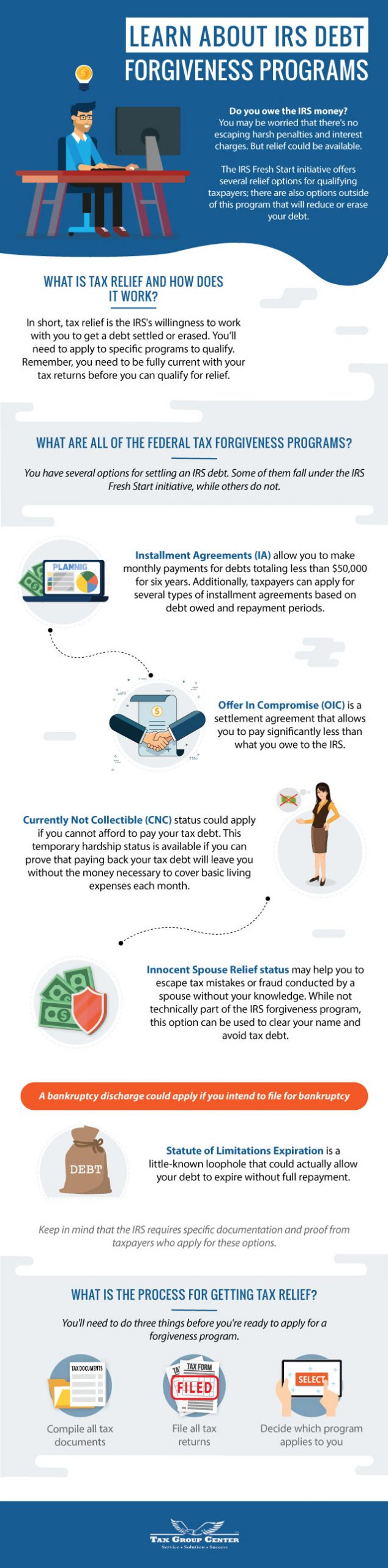
The OIC considers a number of aspects, consisting of the taxpayer's income, expenses, asset equity, and capacity to pay. Successfully negotiating an OIC can be complex, needing a detailed understanding of the IRS's guidelines and a solid disagreement for why your offer lines up with your capacity to pay. It is necessary to note that not all applications are approved, and the process calls for comprehensive economic disclosure.
The IRS assesses your general financial circumstance, including your income, expenditures, possession equity, and capability to pay. You have to also be existing with all filing and settlement requirements and not be in an open insolvency proceeding. The IRS also considers your compliance history, examining whether you have a record of timely filing and paying tax obligations in previous years.
5 Easy Facts About State Initiatives That Offer Debt Relief Shown
The application process for an Offer in Concession includes several detailed actions. Initially, you need to complete and submit IRS Kind 656, the Deal in Concession application, and Kind 433-A (OIC), a collection info statement for individuals. These types require detailed monetary details, consisting of details about your income, financial debts, expenditures, and possessions.
Back tax obligations, which are unpaid taxes from previous years, can considerably boost your total internal revenue service debt otherwise dealt with promptly. This financial obligation can accrue rate of interest and late settlement penalties, making the original amount owed much bigger over time. Failing to repay taxes can result in the internal revenue service taking enforcement activities, such as issuing a tax obligation lien or levy versus your residential or commercial property.
It is essential to address back tax obligations asap, either by paying the total owed or by organizing a layaway plan with the internal revenue service. By taking positive actions, you can avoid the accumulation of added rate of interest and charges, and prevent much more hostile collection actions by the IRS.
One typical reason is the belief that the taxpayer can pay the total either as a round figure or via a settlement plan. The internal revenue service additionally takes into consideration the taxpayer's revenue, expenditures, asset equity, and future earning possibility. If these aspects suggest that the taxpayer can afford to pay greater than the supplied quantity, the internal revenue service is most likely to turn down the deal.
The 10-Minute Rule for Accreditation Requirements in Alternative Financial counseling for veterans in Georgia facing rising credit card and personal loan debt Companies
It is essential to offer accurate and total information in your application and to speak with a tax obligation expert to enhance the possibilities of acceptance. Handling IRS financial debt can be complicated and difficult. Tax experts, such as CPAs, tax obligation attorneys, or enlisted representatives, can offer very useful assistance. They have the competence to navigate the intricacies of tax regulation and internal revenue service treatments.

Table of Contents
Latest Posts

More About National Initiatives for Millennials and Credit Card Debt: Building Smart Credit Without Financial Risk : APFSC

Some Known Factual Statements About Value Compared to DIY Methods

All about The Benefits and Cons of Sudden Inheritance or Lump-Sum Payouts: Avoiding New Debt When a Windfall Arrives
More
Latest Posts
More About National Initiatives for Millennials and Credit Card Debt: Building Smart Credit Without Financial Risk : APFSC
Some Known Factual Statements About Value Compared to DIY Methods
All about The Benefits and Cons of Sudden Inheritance or Lump-Sum Payouts: Avoiding New Debt When a Windfall Arrives