Featured


Some Known Factual Statements About Value Compared to DIY Methods
Table of Contents
That liberates money in the short-term, and you may have three to four years to save towards the negotiation quantity. Really dangerous to credit history, mostly as a result of missed settlements and a negative "settled" mark that can remain on your debt record for as much as 7 yearsMay be just option if other alternatives (debt loan consolidation, equilibrium transfer debt cards, financial obligation mercy) aren't possibleTypically calls for a charge to the third event, which could counter some or every one of the savings from debt settlementMay help you avoid insolvency if you have actually missed out on several paymentsNot all lenders deal with financial debt negotiation firms Financial obligation mercy might be ideal for you if you are experiencing an economic hardship that makes it virtually difficult to pay down your financial obligation balances.
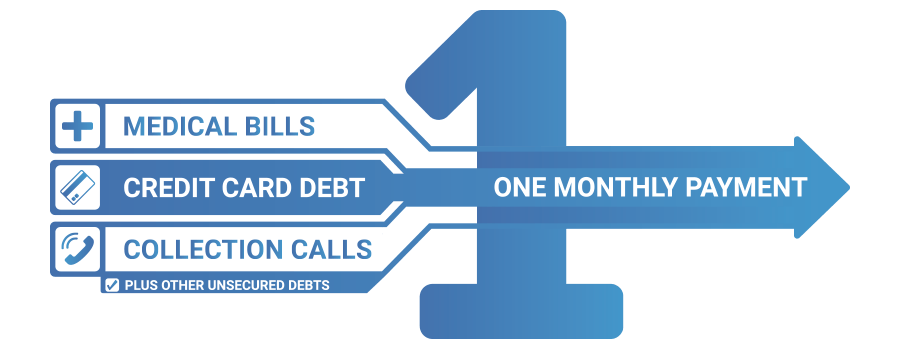
With a DMP, you make one monthly settlement to the debt counseling company. Those funds are then distributed to creditors of your unsecured financial obligations, such as charge card and installment fundings. The company collaborates with your lenders to reduce rates of interest or forgo fees, but some lenders may reject such giving ins.
It can help you pay down financial obligation if you're able to secure a lending price that's lower than the typical rate of the accounts you're combining. You have to refrain from racking up financial debt on those newly removed accounts or your financial debt could grow also higher.
That offers you plenty of time to get rid of or considerably lower your balance while making interest-free settlements.
What Does Free Educational Debt Counseling Resources for Consumers Mean?
You might require it if your financial institution or a collection company ever before tries to gather on the financial obligation in the future. When a lending institution forgives $600 or even more, they are needed to send you Type 1099-C.
Debt forgiveness or negotiation often injures your credit. Anytime you clear up a debt for less than you owe, it may look like "settled" on your credit history report and impact your credit rating for seven years from the date of negotiation. Your debt can additionally drop substantially in the months causing the mercy if you fall back on repayments.
The 8-Second Trick For Value to Invest in Professional Debt Counseling
This scenario typically results from underreporting income, not submitting returns on time, or disparities located throughout an IRS audit. The repercussions of building up tax financial obligation are significant and can consist of tax obligation liens, which give the Internal revenue service a lawful claim to your residential or commercial property as protection for the financial obligation.
Higher rates of interest on readily available credit report. Incomes and Financial institution Accounts IRS can levy (seize) incomes and checking account to please the financial debt. Reduced income and disruption of essential monetary processes. Residential property Seizure In severe cases, the internal revenue service can take and sell home to cover the financial debt. Loss of beneficial assets and prospective displacement.
Clinical depression, stress and anxiety, and various other psychological health and wellness issues. Social Preconception Dealing with lawsuit from the internal revenue service can lug social stigma. Damages to track record and relationships. Work Opportunities An inadequate credit history due to strain financial obligation can limit job opportunity. Problem finding or maintaining a job. Government Advantages Tax financial debt might impact eligibility for government advantages, such as Social Safety and Medicaid.
The smart Trick of Your Introduction to Best Budgeting Apps & Debt Payoff Tools and What to Bring That Nobody is Discussing
The OIC thinks about numerous aspects, consisting of the taxpayer's earnings, expenses, property equity, and ability to pay. Effectively bargaining an OIC can be complex, calling for a complete understanding of the internal revenue service's guidelines and a solid disagreement for why your deal straightens with your capacity to pay. It is essential to note that not all applications are approved, and the procedure needs detailed financial disclosure.
The IRS examines your total monetary circumstance, including your earnings, expenditures, possession equity, and capability to pay. You should additionally be existing with all declaring and settlement demands and not remain in an open personal bankruptcy proceeding. The internal revenue service also considers your conformity history, examining whether you have a document of timely filing and paying tax obligations in previous years.
Facts About Understanding Multiple Best Budgeting Apps & Debt Payoff Tools Accessible Now Revealed
The application procedure for a Deal in Compromise involves a number of comprehensive actions. You must complete and submit IRS Kind 656, the Deal in Compromise application, and Kind 433-A (OIC), a collection details declaration for people. These forms require comprehensive financial details, including information regarding your earnings, financial obligations, expenses, and possessions.
Back taxes, which are unpaid tax obligations from previous years, can considerably increase your total IRS debt otherwise resolved without delay. This financial debt can build up rate of interest and late repayment fines, making the original quantity owed much bigger over time. Failure to repay taxes can lead to the internal revenue service taking enforcement actions, such as issuing a tax obligation lien or levy against your residential or commercial property.
It is essential to resolve back taxes asap, either by paying the sum total owed or by preparing a payment plan with the internal revenue service. By taking positive actions, you can avoid the buildup of added rate of interest and fines, and stop more hostile collection actions by the internal revenue service.
One usual reason is the belief that the taxpayer can pay the total either as a round figure or with a payment strategy. The IRS also thinks about the taxpayer's income, expenditures, possession equity, and future earning capacity. If these variables show that the taxpayer can afford to pay even more than the used amount, the IRS is most likely to turn down the deal.
Things about Your First Step to Best Budgeting Apps & Debt Payoff Tools with a Counselor
Dealing with IRS debt can be complicated and challenging. Tax professionals, such as Certified public accountants, tax obligation attorneys, or enlisted representatives, can provide very useful support.

Table of Contents
Latest Posts

More About National Initiatives for Millennials and Credit Card Debt: Building Smart Credit Without Financial Risk : APFSC
Some Known Factual Statements About Value Compared to DIY Methods

All about The Benefits and Cons of Sudden Inheritance or Lump-Sum Payouts: Avoiding New Debt When a Windfall Arrives
More
Latest Posts
More About National Initiatives for Millennials and Credit Card Debt: Building Smart Credit Without Financial Risk : APFSC
Some Known Factual Statements About Value Compared to DIY Methods
All about The Benefits and Cons of Sudden Inheritance or Lump-Sum Payouts: Avoiding New Debt When a Windfall Arrives